


Visual Merchandising
Education & Training
The science of responsible visual merchandising through training, workshops and university lectures.
university education
Format: Semester course, guest lectures
Visual merchandising education for fashion, design, business, styling, luxury, retail, and sustainability programs.
University formats can include guest lectures, short modules, full courses, workshops, field research, display analysis sessions, student mentoring, and thesis supervision.
Introductory sessions help students understand what visual merchandising is, why it matters, and how stores, windows, displays, and showrooms communicate with customers.
Advanced sessions are designed for students with previous knowledge of fashion, retail, branding, styling, or visual communication. These sessions can include retail analysis, display strategy, field observation, visual merchandising frameworks, case studies, and project-based assignments.
The objective is to help students move from looking at retail spaces to understanding them: how product hierarchy, brand identity, customer behaviour, spatial clarity, and commercial objectives work together inside physical retail.
company training
Format: 1-day masterclass, 3-day deep dive, on-site or online
Training for brands, retail teams, headquarters teams, area managers, store managers, merchandising teams, sales teams, and creative departments.
Company formats can include executive training, professional workshops, internal lectures, display analysis sessions, store visits, visual merchandising guideline training, and team alignment sessions.
Introductory training is useful for teams who interact with stores but do not necessarily have a visual merchandising background. It helps participants understand the role of VM, read displays more clearly, and use a shared vocabulary when discussing retail spaces.
Advanced training is designed for professionals already working with visual merchandising, retail strategy, merchandising, buying, store planning, or brand communication. These sessions can focus on display strategy, product hierarchy, zoning, customer behaviour, campaign implementation, store analysis, and the evaluation of visual merchandising decisions.
The goal is to reduce subjective decision-making and help teams understand what a display does, not only how it looks.
what you get
Each education project is adapted to the audience, objective, level, duration, and context.
Depending on the format, this can include lectures, training sessions, teaching materials, workshop briefs, field research exercises, store visits, display analysis methods, student assignments, feedback sessions, and final evaluations.
The objective is always the same: to make visual merchandising easier to understand, easier to discuss, and easier to apply with strategic, creative, and commercial responsibility.
discover the science of visual merchandising through Mr. Eye
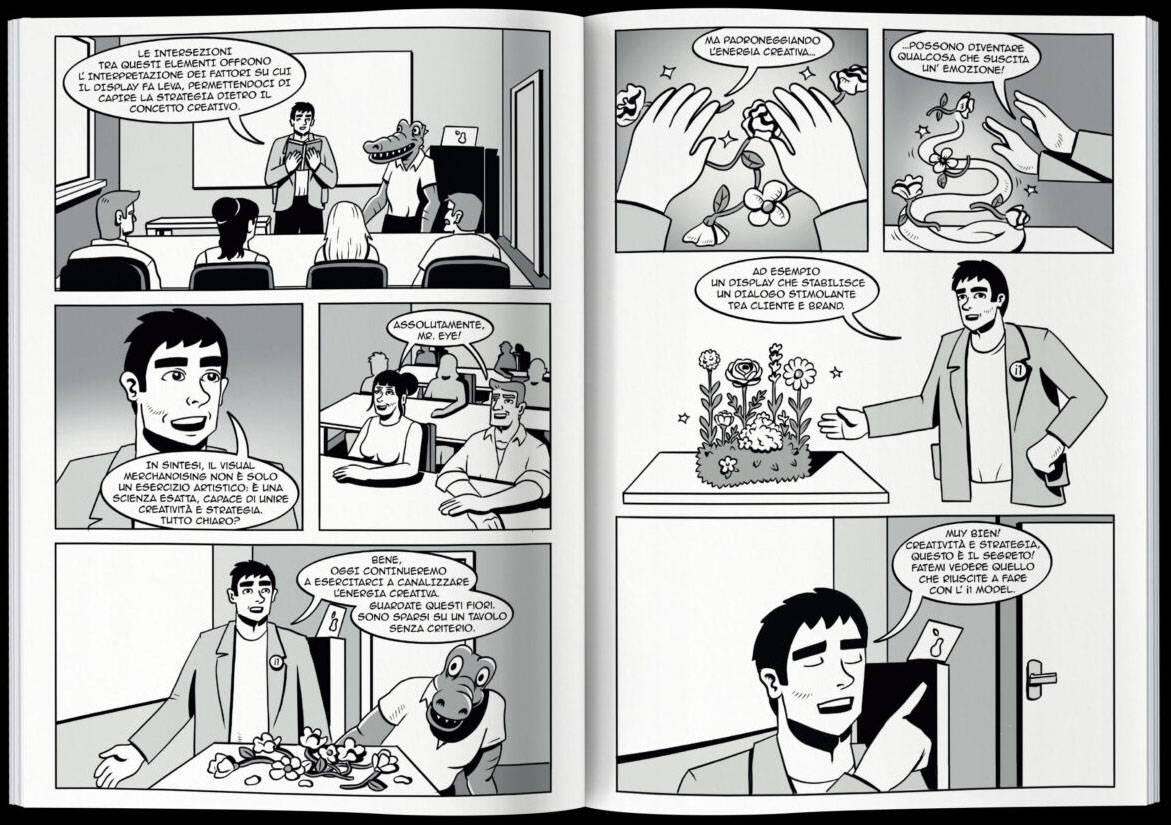
This comic book tells the story of how the science of visual merchandising is taught, from the explanation of the i1 Model to the application of the thought process: “think first,” then “act with method.”
It is an invitation to discover the i see windows methodology in more depth.
The comic book is available in print only and currently available in Italian.
education and training customers












education faq
Visual merchandising education teaches how stores, windows, displays, showrooms, and retail spaces communicate with customers. It connects product presentation, brand identity, spatial structure, customer behaviour, and business objectives.
Visual merchandising training is useful for fashion schools, business schools, luxury brands, retail teams, visual merchandisers, store managers, area managers, merchandising teams, sales teams, and professionals working in retail.
Visual merchandising is taught through theory, field observation, display analysis, strategic frameworks, case studies, and practical exercises. The focus is on what a display does, not only how it looks.
Visual merchandising education helps brands create a shared language between creative, commercial, retail, and management teams. It supports clearer decisions, stronger stores, better customer understanding, and more coherent retail communication.
Yes. i see windows offers visual merchandising training for companies, brands, and retail teams. Training can focus on display strategy, store analysis, product presentation, customer behaviour, retail communication, or visual merchandising guidelines.
Yes. Peter Hamer teaches visual merchandising, retail strategy, fashion business, sustainability, and spatial communication in higher education and executive programs.
i see windows combines retail industry experience, academic teaching, visual merchandising consulting, independent research, and retail photography. The training is based on structure, analysis, and strategy rather than trends or personal taste.
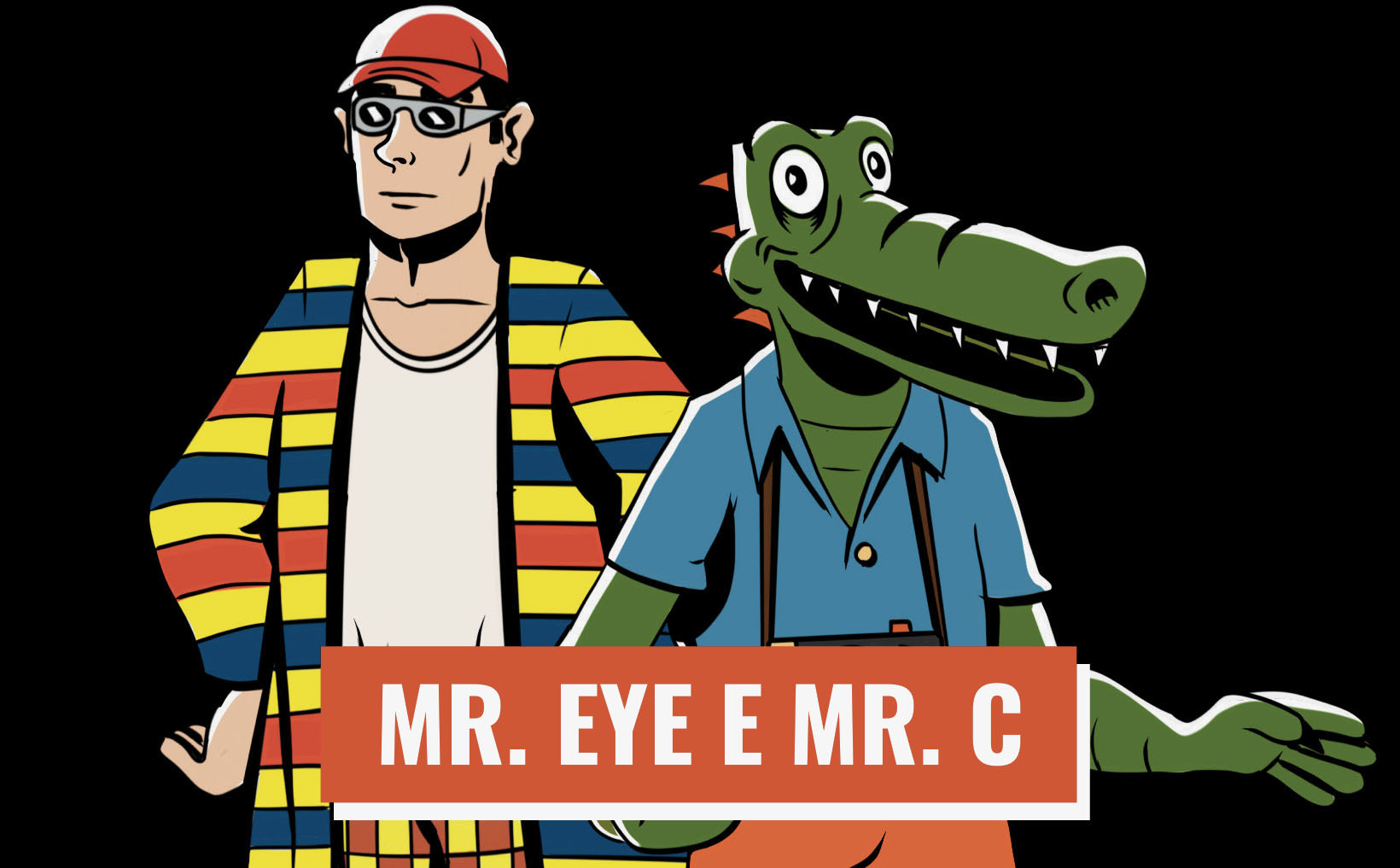
Comic book credits
Concept: Peter Hamer | Artwork & Character Design: Adriano Donato La Vitola | Printed in Milan, 2025 | Limited circulation
IT: Tutte le immagini, i testi e i disegni presenti su questo sito sono di proprietà di i see windows, sapi de cv / Peter Hamer. È vietata qualsiasi riproduzione senza autorizzazione. Il fumetto “Mr. Eye e la Scienza del Visual Merchandising” è un concept di Peter Hamer e Adriano Donato La Vitola. Illustrazioni & Character Design di Adriano Donato La Vitola.
EN: All images, texts, and drawings on this website are owned by i see windows, sapi de cv / Peter Hamer. All rights reserved. The comic “Mr. Eye e la Scienza del Visual Merchandising” is a concept by Peter Hamer and Adriano Donato La Vitola. Artwork and Character Design by Adriano Donato La Vitola.